


Penn State research uncovers fiber optic cable's role in early sinkhole detection
(UI) — Recent research conducted by a Penn State geosciences associate professor suggests that existing fiber optic cables beneath the University Park campus could serve as a means to predict sinkhole occurrences, such as the incident observed last week at the Eisenhower Parking Deck, Pennsylvania's WPSU reported.
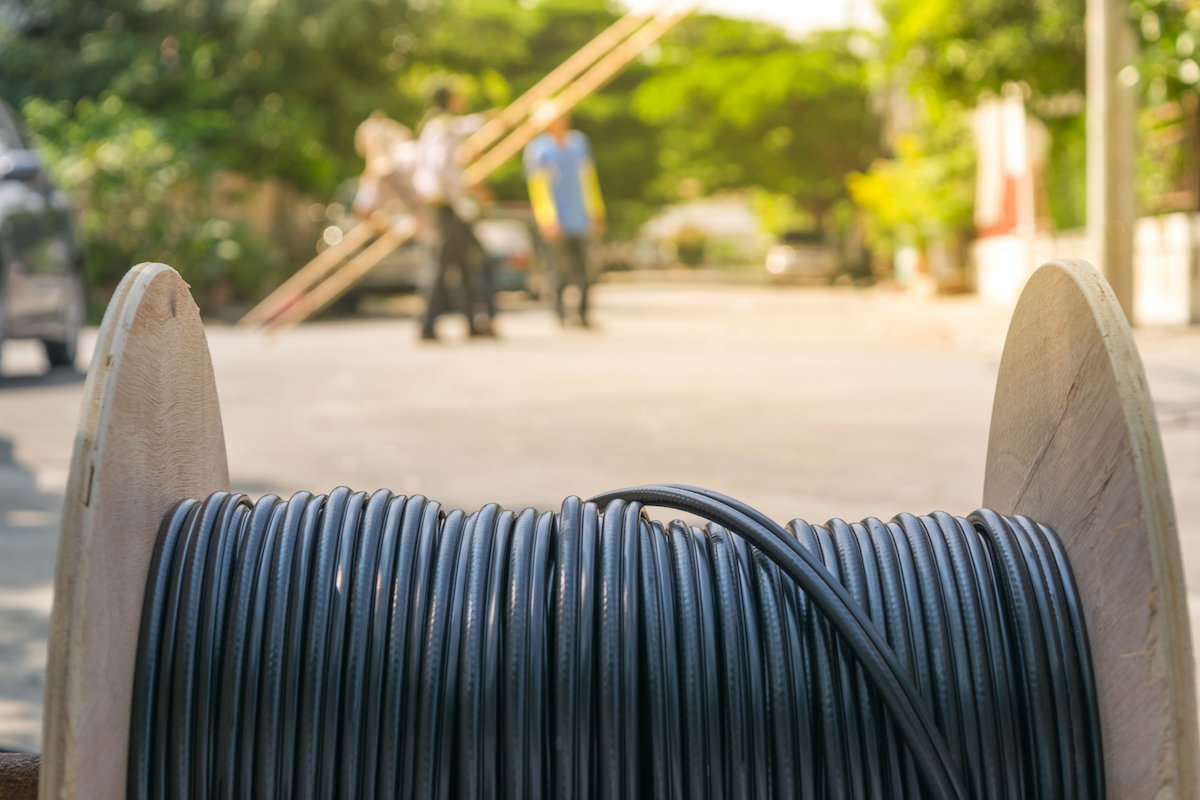
Tieyuan Zhu, leading the Fiber-Optic for Environmental Sensing project (FORESEE) from 2019 to 2020, investigated sinkholes in central Pennsylvania. By utilizing the pre-existing fiber optic cable network beneath the campus, Zhu's project aimed to detect vibrations resulting from various environmental factors, including the formation of sinkholes.
The project's primary objective was to enhance the early warning capabilities available to both government agencies and the general public. However, the project's duration was insufficient to gather substantial and dependable data. Currently, there is a lack of funding to sustain the project within the University Park campus.
Nevertheless, Zhu expressed to WPSU his desire to revitalize the initiative by expanding the monitored area to include a comprehensive map of historical sinkholes within the campus vicinity.
Zhu highlighted that Pennsylvania's geological composition renders it particularly susceptible to sinkholes, differentiating it from other states. The presence of karst landscapes featuring limestone formations creates numerous cavities that facilitate water infiltration, contributing to the elevated risk of sinkhole formation.
Building on this research, Zhu is set to embark on a similar venture in Pittsburgh starting in October. This forthcoming endeavor aims to provide a more comprehensive understanding of Pennsylvania's distinctive geology and to further advance the capabilities of early warning systems.
This story was originally published by WPSU, Public Media for Central Pennsylvania.
Related News
From Archive

- EIA: Texas to lead U.S. pipeline construction activity through 2027
- Oil pipeline struck during fiber optic construction spills into L.A. storm drains
- Utility strike at center of Dallas explosion investigation
- Gas line strike destroys three homes in Ohio neighborhood
- $1 billion Ohio River Tunnel project awarded in Pittsburgh
Comments