


Wisconsin’s Menominee Tribe secures funding for underground power line project
(UI) — The Menominee Indian Tribe of Wisconsin is set to benefit from a substantial grant aimed at enhancing energy reliability within their community. FEMA's Building Resilient Infrastructure and Communities (BRIC) grant program has allocated $872,894 to support an ambitious underground power line conversion initiative, WLUK Fox 11 News reported.
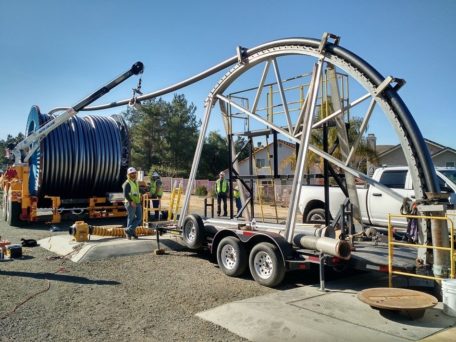
This transformative project targets the conversion of antiquated overhead copper weld power lines to more resilient underground aluminum power lines. Dating back to the 1950s, the existing overhead lines have been plagued by frequent outages caused by various natural hazards. The transition to underground lines is poised to fortify the tribe's power infrastructure, ensuring uninterrupted electricity supply during severe weather events, ice storms, and extreme cold spells.
Under the terms of the grant, FEMA will cover 89% of the eligible project cost, totaling $985,526, while the tribe will contribute the remaining 11%, amounting to $112,632. Additionally, FEMA will fully finance management costs associated with the project, amounting to $93,860.
This story was originally published by WLUK Fox 11 News.
Related News
From Archive

- EIA: Texas to lead U.S. pipeline construction activity through 2027
- Oil pipeline struck during fiber optic construction spills into L.A. storm drains
- Utility strike at center of Dallas explosion investigation
- Gas line strike destroys three homes in Ohio neighborhood
- $1 billion Ohio River Tunnel project awarded in Pittsburgh
Comments