


PG&E buries over 800 miles of powerlines in high wildfire-risk areas
(UI) — Pacific Gas and Electric Company (PG&E) has undergrounded more than 800 miles of powerlines since launching its wildfire safety initiative in 2021.
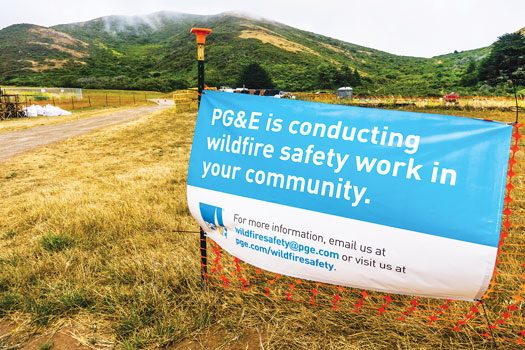
This milestone follows the completion of over 360 miles in 2023, the most in a single year for the company. Customers in 27 counties are now served by these buried lines, reducing wildfire risk by 98% in affected areas and improving service reliability.
"Undergrounding powerlines is a key layer of protection in our strategy to reduce wildfire risk and improve reliability for our customers," said Matt Pender, PG&E's Vice President of Undergrounding and System Hardening. "Reaching this milestone is a testament to our commitment to our hometowns and our continued focus on delivering safe and reliable electricity."
Future undergrounding plans
PG&E aims to complete 250 miles of undergrounding in 2024, with more than 187 miles already finished this year. Work continues in high-risk areas like Spring Valley (Lake County), Vacaville (Solano County), and Pine Grove (Amador County). By 2026, PG&E plans to have buried over 1,600 miles of powerlines across 30 counties in Northern and Central California.
The company uses advanced risk modeling and fire-propagation technology, similar to tools used by CAL FIRE and the U.S. Forest Service, to prioritize high-risk areas. Updates on progress are available on PG&E’s website, including an interactive map of ongoing and completed projects.
Comprehensive wildfire protection
Undergrounding is part of PG&E's broader wildfire mitigation strategy. Since 2018, efforts like stronger poles, covered lines, and enhanced powerline safety settings have reduced wildfire risk. In 2023, there were no catastrophic fires linked to PG&E equipment.
Additional wildfire protection measures include:
- Strengthening electric infrastructure in fire-risk areas.
- Enhanced Powerline Safety Settings (EPSS), reducing reportable ignitions by 72%.
- Vegetation management near powerlines.
- Monitoring through 1,500 weather stations and 600 high-definition cameras.
- Deploying advanced technologies such as AI and drones for fire detection.
Related News
From Archive

- EIA: Texas to lead U.S. pipeline construction activity through 2027
- Oil pipeline struck during fiber optic construction spills into L.A. storm drains
- Utility strike at center of Dallas explosion investigation
- Gas line strike destroys three homes in Ohio neighborhood
- $1 billion Ohio River Tunnel project awarded in Pittsburgh
Comments