


Columbus, Ohio, commits $1 billion to replace aging lead pipes by 2037
(UI) — Although lead levels in Columbus’ drinking water are extremely low—measured at just 1.3 parts per billion, well below the state limit—the city is moving forward with an ambitious $1 billion effort to eliminate aging lead and galvanized service lines by 2037, according to WBNS 10TV.
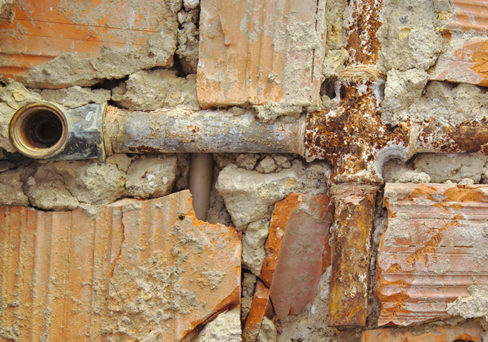
The city currently adds orthophosphate during water treatment to prevent lead from leaching into the supply. However, water that sits stagnant for more than six hours in older pipes can still corrode and release toxins, prompting concerns about long-term exposure risks.
To address this, the Lead Service Line Replacement Program was launched to systematically replace up to 50,000 lead and galvanized lines with copper piping. These efforts include both public and private service lines, and priority is being given to homes built before 1965, when the installation of lead pipes was still permitted.
“We've declared it a public nuisance,” Emilie Eskridge of the city’s Division of Water told WBNS 10TV. “We are looking at 40 to 50,000 lines that we need to remove and we're looking at $1 billion over the next 12 years.”
As part of a pilot project, $2.5 million has been earmarked to replace 150 to 200 lines at no cost to qualifying homeowners—an initiative that could save residents thousands compared to hiring private contractors.
To help residents identify their risk, the city provides an online pipe map that flags properties with red (lead) and yellow (galvanized) indicators.
Ohio has one of the highest numbers of lead service lines in the country, with over 600,000 remaining. Replacing these statewide could significantly reduce lead exposure in children, according to recent research.
Related News
From Archive

- EIA: Texas to lead U.S. pipeline construction activity through 2027
- Oil pipeline struck during fiber optic construction spills into L.A. storm drains
- Utility strike at center of Dallas explosion investigation
- Gas line strike destroys three homes in Ohio neighborhood
- $1 billion Ohio River Tunnel project awarded in Pittsburgh
Comments