


Maryland lawmakers push to curb BGE pipeline spending, citing safety and cost concerns
(UI) — Maryland lawmakers and regulators are raising concerns over Baltimore Gas & Electric’s (BGE) multibillion-dollar pipeline replacement program, citing rising costs for consumers and questions about its effectiveness in improving safety.
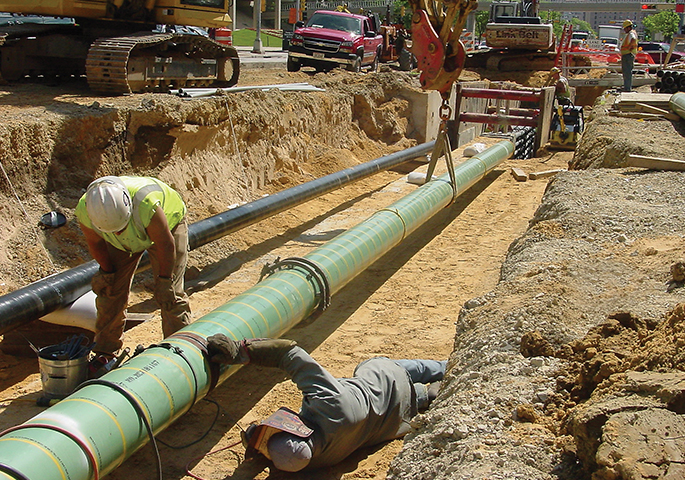
At the center of the debate is BGE’s full-scale gas pipeline replacement program, which has contributed to a tripling of gas delivery rates over the past decade, according to Maryland PIRG. The organization stated that the utility’s approach has led to excessive spending on infrastructure expansion rather than prioritizing pipeline repairs and leak mitigation.
“Maryland residents are being burdened by high energy costs because of BGE’s unnecessary spending on the full-scale replacement of costly, polluting methane gas pipelines,” said Del. Elizabeth Embry. “It shouldn’t cost a fortune to stay warm and comfortable during the cold.”
Embry has introduced the Ratepayer Protection Act (HB0419), a bill that would require utilities to focus on identifying and repairing gas leaks rather than undertaking large-scale pipeline replacements. The legislation, which has support from state officials and consumer advocacy groups, aims to rein in infrastructure costs while ensuring safety improvements.
Pipeline replacement raises safety questions
Despite the scale of BGE’s pipeline replacement efforts, hazardous gas leaks in the utility’s system have increased, according to federal data. The number of reported leaks rose from 2,400 in 2011 to over 4,000 in 2023, raising concerns about the effectiveness of current investment strategies.
“BGE’s multibillion-dollar pipeline replacement program has failed to improve safety and is a financial disaster. We urge the legislature to intervene now, before things get worse,” said Emily Scarr, Senior Advisor at Maryland PIRG.
Advocates argue that a more targeted approach—focusing on repairing existing infrastructure rather than wholesale pipeline replacements—would be more cost-effective and improve safety outcomes.
Regulatory and industry stakeholders are expected to weigh in on how utilities balance pipeline safety, cost efficiency, and long-term infrastructure resilience.
Related News
From Archive

- EIA: Texas to lead U.S. pipeline construction activity through 2027
- Oil pipeline struck during fiber optic construction spills into L.A. storm drains
- Utility strike at center of Dallas explosion investigation
- Gas line strike destroys three homes in Ohio neighborhood
- $1 billion Ohio River Tunnel project awarded in Pittsburgh
Comments