


Pasadena, Calif., undergrounding project could take 500 years to finish
Pasadena, California’s plan to bury all overhead utility lines—launched more than 50 years ago—is progressing so slowly it may not wrap until the year 2525, according to Fox News.
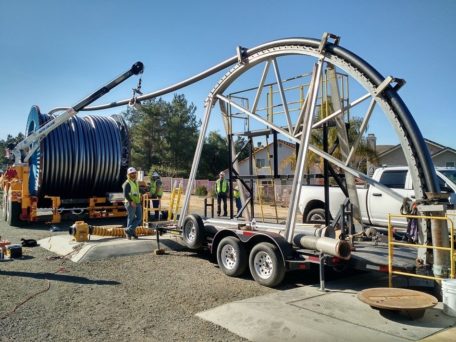
Known as the Underground Utility Program, the initiative began in 1968 and is currently moving at a pace of just 0.5 to 0.7 miles per year. The effort, meant to improve aesthetics and reduce risks from falling poles and power-line-related wildfires, has completed about 46 miles so far. That leaves more than 100 miles to go—50 miles in major corridors and another 79 miles in residential areas.
According to Fox News, Pasadena Water and Power estimates that Category 1 work could take another century to complete, while the second phase might take an additional 400 years. The full effort is projected to cost around $2 billion and is funded through a utility surcharge.
By comparison, investor-owned utilities like PG&E and CenterPoint Energy have completed hundreds of underground miles in just a few years. Pasadena officials cite higher costs, complex permitting, and coordination challenges with telecom companies as contributing factors to the timeline.
Related News
From Archive

- EIA: Texas to lead U.S. pipeline construction activity through 2027
- Oil pipeline struck during fiber optic construction spills into L.A. storm drains
- Utility strike at center of Dallas explosion investigation
- Gas line strike destroys three homes in Ohio neighborhood
- $1 billion Ohio River Tunnel project awarded in Pittsburgh
Comments