


Thames Water removes 100-tonne ‘fatberg’ clogging west London sewer
(UI) — A massive 100-tonne (90-ton) blockage has been removed from a sewer beneath Feltham in west London, according to a BBC report. The congealed mass — a so-called “fatberg” — was lodged more than 10 meters (33 feet) underground and took Thames Water engineers over a month to clear.
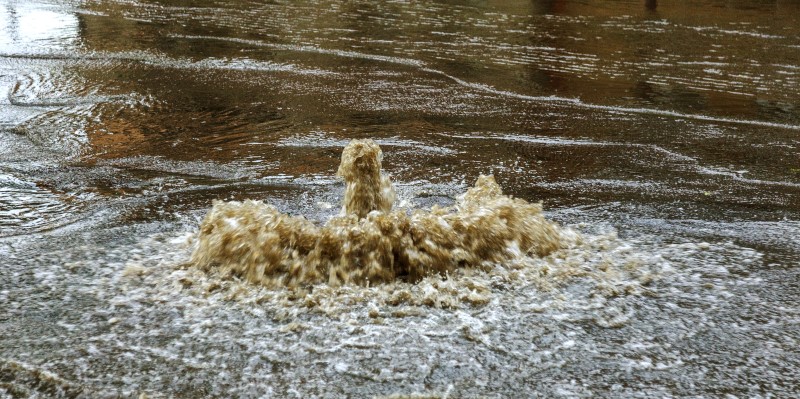
Weighing roughly the same as eight double-decker buses, the obstruction was made up of wet wipes bound together by cooking fat, oil, and grease. Crews accessed the pipe through a large manhole and used high-powered jets, chisels, and vacuum equipment to dislodge the 125-meter (410-foot)-long clog before lifting the debris into skips for disposal, as reported by the BBC.
The cleanup comes shortly after Thames Water partnered with Thames21 and the Port of London Authority to remove a buildup of wet wipes and sludge along the River Thames near Hammersmith Bridge. The company says it tackles an average of 75,000 blockages each year, costing about £18 million ($24 million), with the majority caused by wet wipes that don’t break down in water.
Thames Water continues to urge residents to flush only toilet paper and dispose of wipes, fats, and grease properly to prevent future sewer blockages.
Related News
From Archive

- EIA: Texas to lead U.S. pipeline construction activity through 2027
- Oil pipeline struck during fiber optic construction spills into L.A. storm drains
- Utility strike at center of Dallas explosion investigation
- Gas line strike destroys three homes in Ohio neighborhood
- $1 billion Ohio River Tunnel project awarded in Pittsburgh
Comments