


Calgary on the brink of water crisis after major pipeline break
(UI) — The largest city in Alberta is confronting a potential water shortage following a significant pipeline rupture. Calgary officials are urging residents to drastically reduce their water usage immediately, according to Reuters.
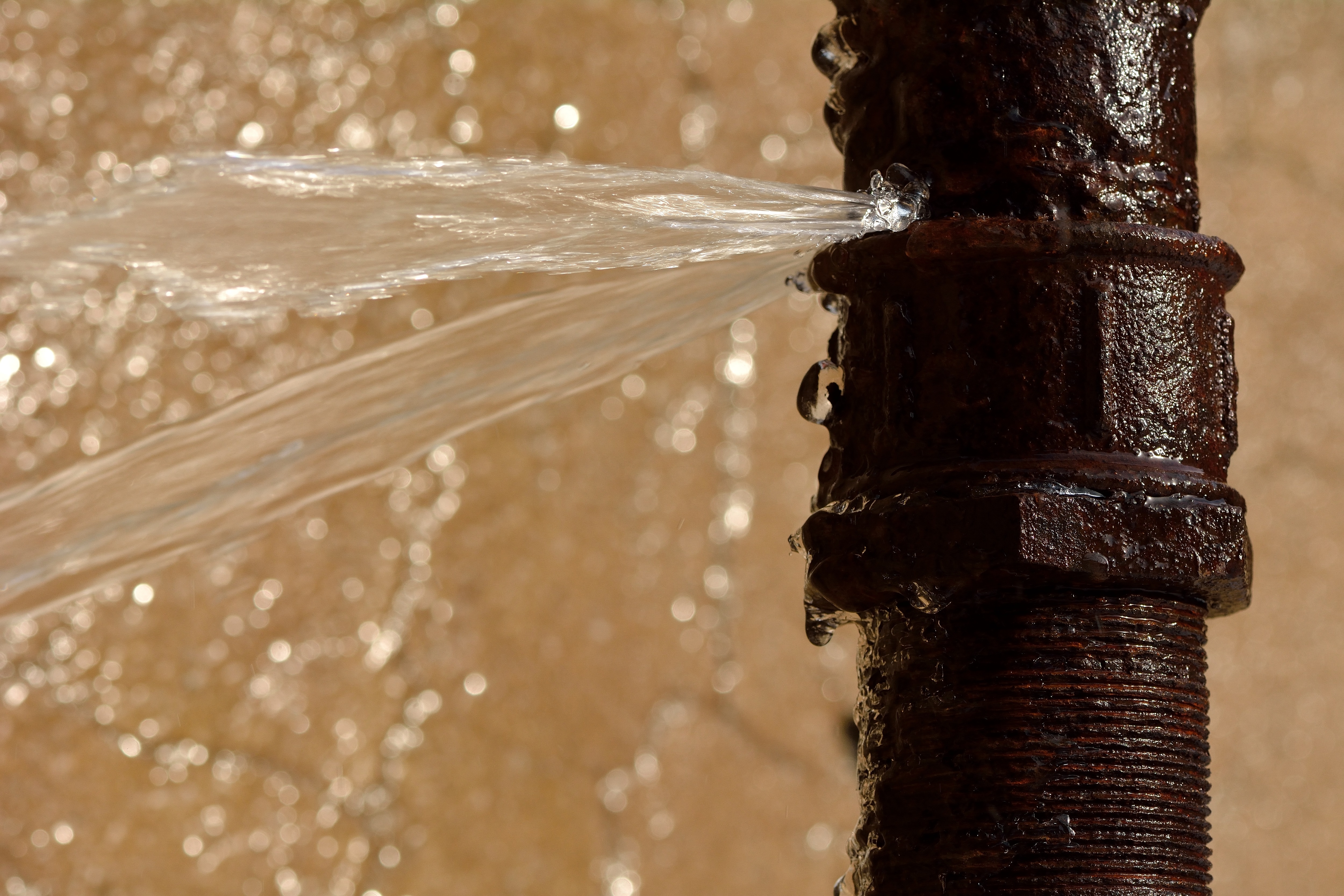
On June 5, a crucial pipeline serving 1.2 million residents burst, inundating streets, sports fields, and a portion of the TransCanada Highway, which is still closed. The city’s water reservoirs and distribution system have been critically impacted, city officials said.
"Calgary is currently using more water than it can produce. If Calgarians do not reduce our water use, we are at risk of running out," officials told Reuters.
The heart of Calgary, which houses many of Canada's oil and gas companies, is particularly affected. Crews have been unable to access the damaged section of the pipeline, known as a feeder main, to commence repairs or identify the cause of the rupture. However, they are hopeful that access will be gained later on Friday, according to the statement.
Residents in the Bowness area are under a boil water advisory, and businesses have been instructed to halt non-essential water use. Outdoor watering has been prohibited, and residents are being asked to delay using dishwashers and washing machines and to shorten their showers.
The affected 11-kilometer (6.8-mile) feeder main, installed in 1975, is one of Calgary's most critical and substantial water supply lines. "The broken feeder main is large enough to drive a truck through," Calgary Mayor Jyoti Gondek remarked at a Thursday press conference. "It's a significant piece of infrastructure."
Mayor Gondek assured that crews are working continuously, and repairs are expected to commence within a day or two once the break is accessed.
Related News
From Archive

- Oil pipeline struck during fiber optic construction spills into L.A. storm drains
- Utility strike at center of Dallas explosion investigation
- Gas line strike destroys three homes in Ohio neighborhood
- $1 billion Ohio River Tunnel project awarded in Pittsburgh
- Las Vegas advances multibillion-dollar water pipeline expansion
Comments