


Pipeline break prompts mandatory water conservation at Grand Canyon South Rim, Ariz.
Grand Canyon National Park has imposed mandatory water conservation measures on the South Rim due to a pipeline break along the North Kaibab Trail, affecting the park’s water supply.
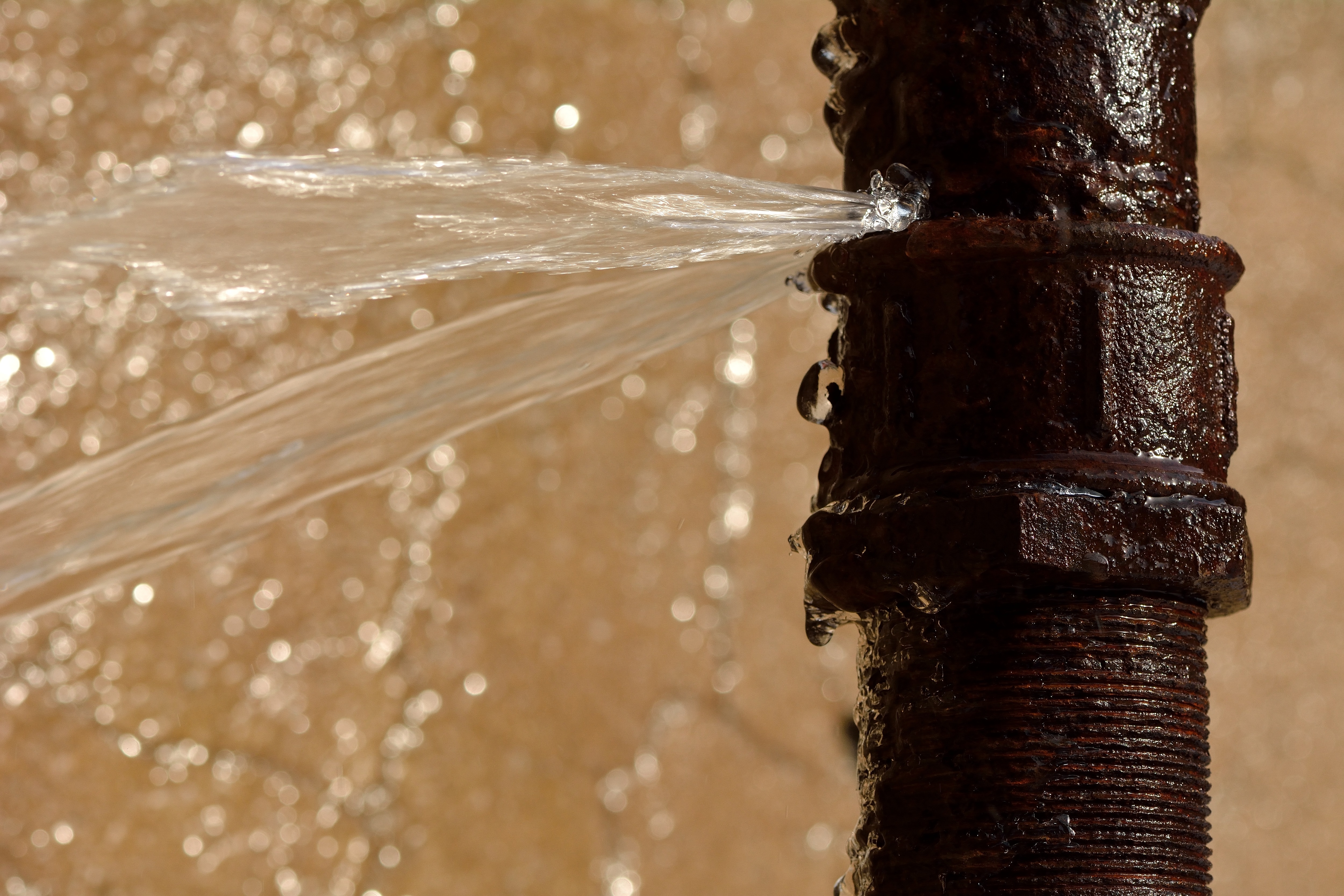
This critical issue has led officials to urge residents, visitors, and park operations to conserve water in homes, hotels, and campgrounds.
To reduce water use, visitors are encouraged to use low-water cleaning methods, turn off the water while shaving or brushing their teeth, and take shorter showers. Washing cars, boats, or any outside vehicles is prohibited. Dishes should be pre-cleaned by scraping off food before washing, and leaks or water losses should be reported promptly.
Concession operations must also contribute by adjusting menus to use less water for food preparation and dishwashing. Hotels are expected to adopt low-water-use policies while maintaining cleanliness, and drinking water at restaurants will only be provided upon request.
Backcountry hikers should carry sufficient water or have methods to treat water, as it is currently unavailable at the Manzanita Rest Area. These measures are essential to ensure water availability while protecting public health and safety.
Related News
From Archive

- EIA: Texas to lead U.S. pipeline construction activity through 2027
- Oil pipeline struck during fiber optic construction spills into L.A. storm drains
- Utility strike at center of Dallas explosion investigation
- Gas line strike destroys three homes in Ohio neighborhood
- $1 billion Ohio River Tunnel project awarded in Pittsburgh
Comments