


Study projects $1 trillion needed for U.S. energy infrastructure by 2052
(UI) — More than $1 trillion in new midstream energy infrastructure investment will be needed across North America by 2052 to meet growing energy demand, according to a report released by the INGAA Foundation in collaboration with the University of Houston, Wood and ESMIA Consultants.
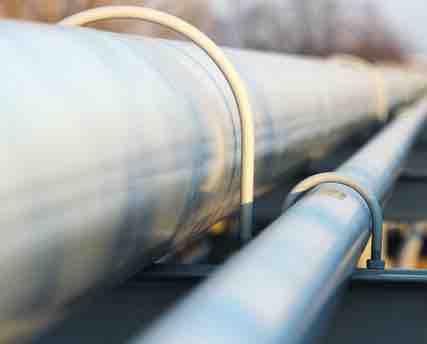
The 2025 North American Midstream Infrastructure Report projects annual investment of $40 billion to $48 billion in natural gas, crude oil, natural gas liquids, hydrogen and carbon dioxide infrastructure. Researchers said growing electricity demand from data centers, artificial intelligence and continued expansion of liquefied natural gas exports will drive much of the need for new infrastructure.
The study estimates the region will require at least 37,000 miles of additional natural gas transmission pipelines, including approximately 33,800 miles in the United States, along with roughly 103,000 miles of new natural gas gathering pipelines. The report also projects infrastructure development could support between 414,000 and 828,000 jobs annually through 2052.
Paul Doucette, principal investigator for the study and hydrogen program officer at the University of Houston, said the analysis examined how changing energy demand will shape future infrastructure requirements.
"The consortium worked closely with industry experts, as well as university faculty and staff, to evaluate the market forces shaping North America's energy future," Doucette said.
Hebe Shaw, executive director of the INGAA Foundation, said the report underscores the need for long-term investment in pipelines and related infrastructure.
"Meeting the energy needs of North America will require sustained investment and development, which must begin now to ensure a safe, reliable and affordable energy system," Shaw said.
The report evaluated two long-term scenarios—one based on existing energy policies and another incorporating more aggressive greenhouse gas reduction goals. In both cases, researchers concluded that natural gas will remain a key component of the energy system and that significant expansion of midstream infrastructure will be necessary to meet projected demand.
Related News
From Archive

- Oil pipeline struck during fiber optic construction spills into L.A. storm drains
- Utility strike at center of Dallas explosion investigation
- $1 billion Ohio River Tunnel project awarded in Pittsburgh
- Gas line strike destroys three homes in Ohio neighborhood
- Las Vegas advances multibillion-dollar water pipeline expansion
- Final Lake Erie sewer tunnel project set to begin after decades-long $3 billion effort
- Inside Infrastructure: Utility locators warn of systemic failures in damage prevention process
- Senate passes PIPELINE Safety Act aimed at strengthening buried utility protection
- $104 million Lynchburg, Va., tunnel nears breakthrough beneath Blackwater Creek
Comments