


Virginia’s wastewater infrastructure receives “poor” rating by engineering group
(UI) — The Virginia Section of the American Society of Civil Engineers (ASCE) released the 2022 Report Card for Virginia's Infrastructure on Tuesday, where 11 categories of infrastructure received an overall grade of a “C”. Specifically, the state’s water infrastructure received a grade of “D+”. According to the report, a C is considered “mediocre” while a D is “poor.”
Each category was evaluated on the basis of capacity, condition, funding, future need, operation and maintenance, public safety, resilience, and innovation.
“This report card highlights the hard work by Virginians to improve roads, bridges and other systems that are vital to the Commonwealth, but there is still more work to be done. Now is the time to prepare for the future,” Virginia Senator Mark Warner said.
Drinking Water (C+) and Wastewater (D+)
Virginia has prioritized lead pipe removal from its drinking water network and several counties and major cities have dedicated funds to these projects, including the City of Alexandria which has reduced its lead pipe inventory by 25% over the last four years.
The state General Assembly allocated $100 million from the COVID-19 American Rescue Plan to improve drinking water infrastructure. Conditions vary, as the spread of new communities throughout the state includes new pipelines, but Virginia’s oldest neighborhoods have pipelines between the ages of 50 and 65, leading to unpredictable water main breaks and disruptions in service.
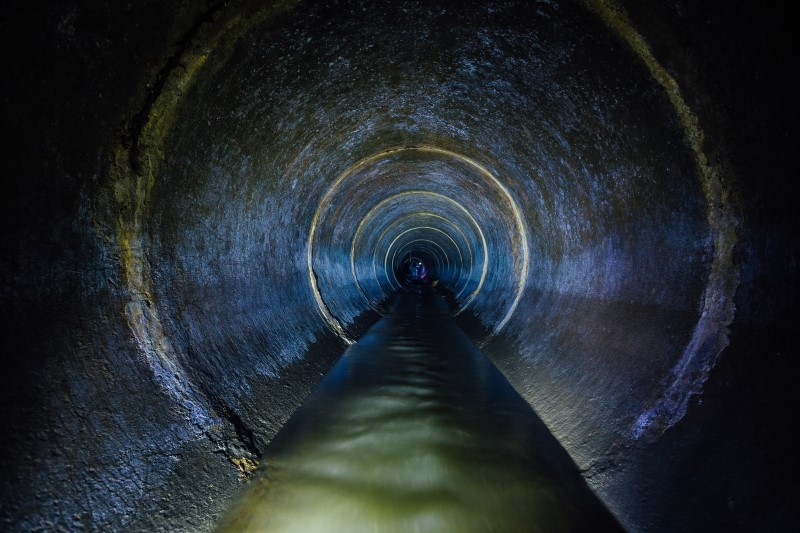
The cities of Richmond, Lynchburg, and Alexandria convey their stormwater and sanitary sewage through combined sewer systems, which are designed to overflow to rivers and streams whenever there is significant rainfall, known as Combined Sewer Overflows (CSOs). CSOs contaminate rivers and waterways with raw, untreated sewage.
The three cities have made significant strides to reduce these overflows, closing dozens of CSO outlets and adding storage tanks to wastewater treatment plants to reduce overflows. However, the SWIFT (Sustainable Water Initiative for Tomorrow) program is combatting the depletion of the Potomac Aquifer, eastern Virginia’s primary source of drinking water, by recharging the aquifer with drinking water quality SWIFT Water.
Despite this progress, many of Virginia’s wastewater pipelines are reaching the end of their intended design life and more than $6.5 billion in maintenance and replacement costs remain.
Virginia has implemented ambitious plans to improve each of its infrastructure systems and additional resources from the state level and the bipartisan infrastructure law will help these efforts.
Related News
From Archive

- EIA: Texas to lead U.S. pipeline construction activity through 2027
- Oil pipeline struck during fiber optic construction spills into L.A. storm drains
- Utility strike at center of Dallas explosion investigation
- Gas line strike destroys three homes in Ohio neighborhood
- $1 billion Ohio River Tunnel project awarded in Pittsburgh
Comments