


Minnesota forms task force to boost infrastructure resilience amid climatic challenges
(UI) — Minnesota has launched a novel initiative aimed at bolstering the resilience of its infrastructure in the face of increasingly severe weather conditions, WCCO News reported.
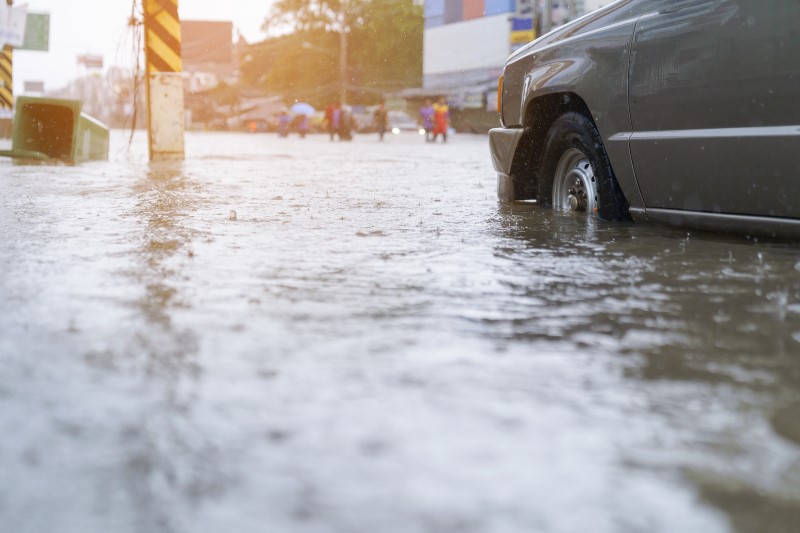
The recently convened Infrastructure Resilience Advisory Task Force commenced its deliberations on Monday, with a primary objective of formulating recommendations for presentation to the state legislature in the coming year.
Over the following months, members of this task force will concentrate on improving the coordination among state and local partners in their response to the destructive impacts of storms, heavy rainfall, strong winds, and snowfall, which can wreak havoc on roads, bridges, wastewater systems, and more. Representative Erin Koegel, chairing the group, emphasized the need to overcome the current fragmented approach and foster collaboration among various stakeholders.
The task force's goal is to establish a central hub that can facilitate communication and support for local communities, counties, and organizations engaged in on-ground efforts to address weather-related challenges. Koegel also highlighted to WCCO News the importance of equipping localities with the skills necessary to effectively manage their assets and prevent unnecessary replacements due to inadequate maintenance.
Minnesota aims to draw inspiration from states like Colorado and Michigan, which have successfully implemented infrastructure-focused entities within their government structures to bridge the gap with local communities. Any council established by this task force will serve the dual purpose of enabling smaller cities to access federal funding under the Infrastructure Investment and Jobs Act for climate resilience initiatives.
A survey conducted by the Minnesota Pollution Control Agency last year revealed that local government organizations consider financial resources for constructing climate-resilient projects and guidance on adaptation best practices as the most valuable forms of state support.
In light of climate data indicating rising temperatures and increased precipitation in Minnesota, experts in sustainability, such as Richard Graves from the University of Minnesota's Center for Sustainable Building Research, have shifted their focus from long-term climate change mitigation to short-term adaptation strategies, given the prevalence of extreme weather events.
The inaugural meeting on Monday marked the introduction of task force members and provided an overview of their objectives. The panel includes representatives from both major political parties, organizations representing local governments, a representative from Xcel Energy, and other stakeholders.
This initiative aligns with a recent AP News poll, which revealed that 9 out of 10 Americans have experienced at least one extreme weather event in the past five years, with 64% of U.S. adults attributing these events at least partially to climate change. Cities are increasingly seeking innovative solutions to ensure the durability of their infrastructure, shifting their focus from symptom treatment to preventive measures, as highlighted by Koegel.
Related News
From Archive

- Oil pipeline struck during fiber optic construction spills into L.A. storm drains
- Utility strike at center of Dallas explosion investigation
- Gas line strike destroys three homes in Ohio neighborhood
- $1 billion Ohio River Tunnel project awarded in Pittsburgh
- Las Vegas advances multibillion-dollar water pipeline expansion
Comments