


Lynchburg, Va., begins Phase IV of downtown renewal, tackling aging utilities
(UI) — The City of Lynchburg has commenced Phase IV of its Downtown Renewal Project, the city announced on July 23. Over the next two years, five blocks of Main Street, from the 1200 block to the Lynchburg Expressway, will undergo significant revitalization to replace aging utility infrastructure and beautify the area.
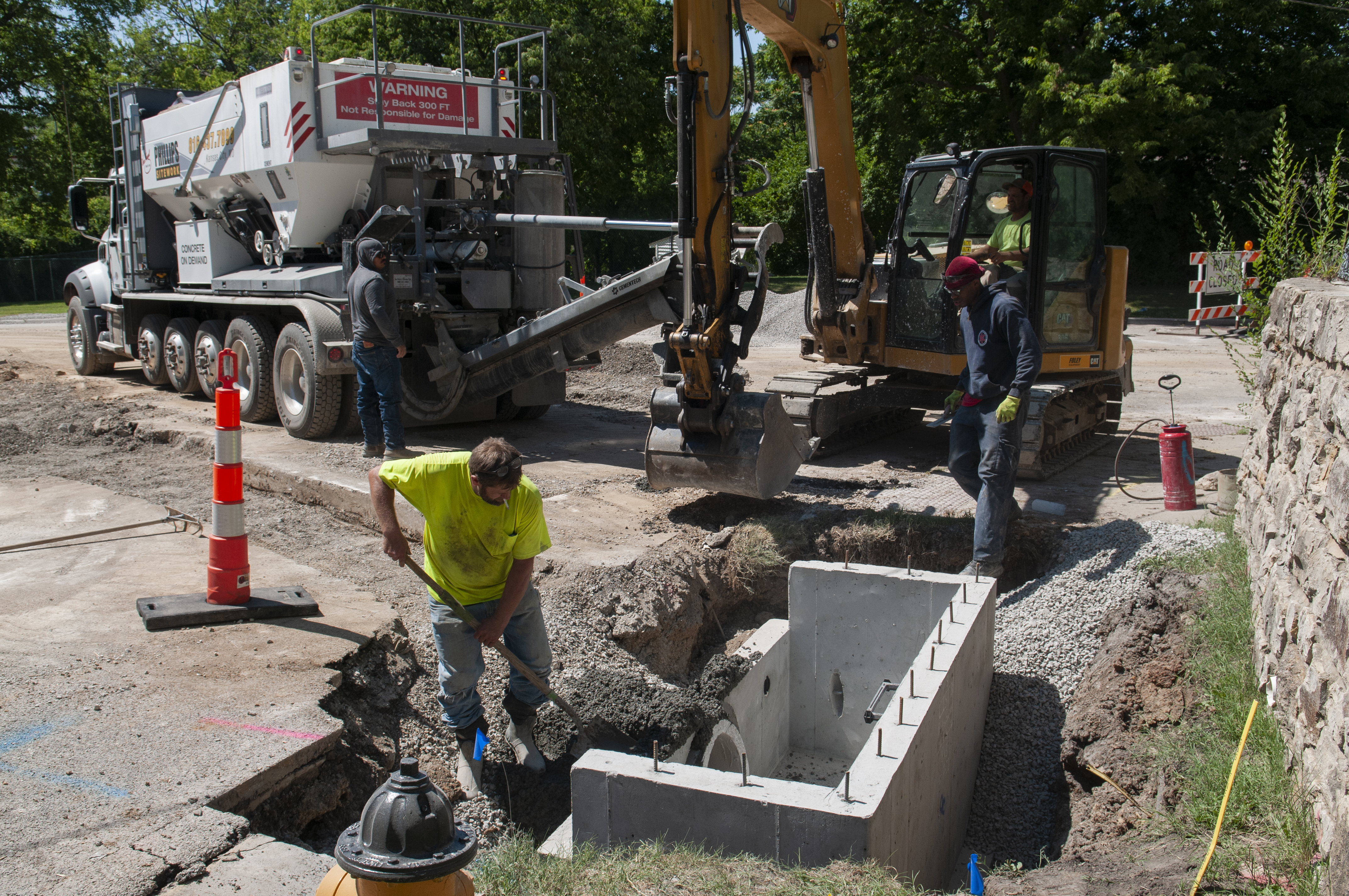
The Downtown Renewal Construction Project, which began in 2016, is a multimillion-dollar investment aimed at upgrading Lynchburg's aging underground utility infrastructure and enhancing streetscapes. Once the underground work is completed, each block will feature new brick sidewalks, historically designed streetlights, new trees and plantings, and redesigned parking and loading zones to improve the pedestrian and vehicular experience.
Phase IV will begin in the 1300 block of Main Street, closing part of the 1200 block and extending to just before the intersection of Main Street and Commerce Street. During construction, this section of Main Street will be closed to all traffic, including emergency vehicles, with detours in place. However, pedestrian access to all businesses will be maintained. The tentative completion date for this phase is scheduled for January 2025.
Related News
From Archive

- Oil pipeline struck during fiber optic construction spills into L.A. storm drains
- Utility strike at center of Dallas explosion investigation
- Gas line strike destroys three homes in Ohio neighborhood
- $1 billion Ohio River Tunnel project awarded in Pittsburgh
- Las Vegas advances multibillion-dollar water pipeline expansion
- Final Lake Erie sewer tunnel project set to begin after decades-long $3 billion effort
- Inside Infrastructure: Utility locators warn of systemic failures in damage prevention process
- Senate passes PIPELINE Safety Act aimed at strengthening buried utility protection
- $104 million Lynchburg, Va., tunnel nears breakthrough beneath Blackwater Creek
Comments