


EPA says U.S.-Mexico sewage projects advance in Tijuana River cleanup
(UI) — The U.S. Environmental Protection Agency (EPA) says construction and planning continue to advance on a series of cross-border infrastructure projects aimed at permanently reducing sewage pollution flowing from Mexico into the Tijuana River and coastal waters near San Diego.
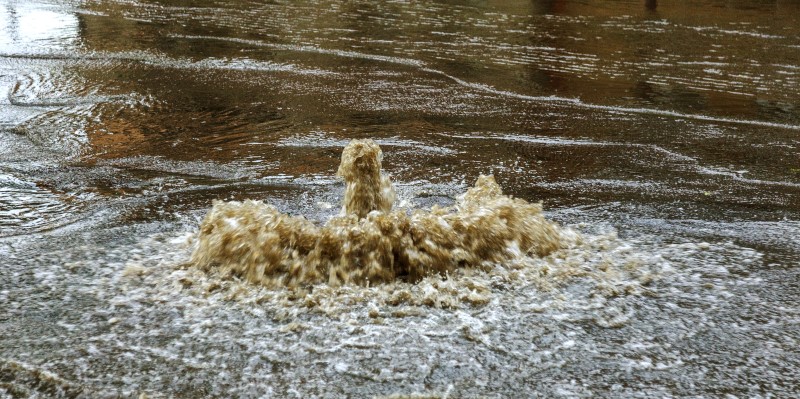
The agency released its second quarterly update of 2026 on implementation of two agreements reached with Mexico in 2025, outlining progress on wastewater infrastructure, pump stations, sewer rehabilitation projects and long-term planning intended to address the decades-old sewage crisis.
EPA said work has advanced since its previous update in March, including the release of previously approved Border Water Infrastructure Program funding to begin construction of Pump Station 1 (PB-1) and the Tijuana River Gates project. Mexican agencies also continue work on sewer line and pump station rehabilitation projects designed to reduce wastewater discharges into the river.
"We're continuing our pace in ensuring that Mexico meets its funding commitments, that projects are being built on the tightest possible timelines, and that actions are being taken to plan for future population growth in the region," EPA Administrator Lee Zeldin said. "Safeguarding human health and the environment is EPA's foremost responsibility, and we are committed to ensuring that every American has clean air, land and water."
According to EPA, Mexico began construction of Pump Station 1 on April 27. The project is designed to increase pumping capacity to 80 million gallons per day (MGD) while reducing the risk of major sewage releases. Construction is expected to be completed in November 2027.
The Tijuana River Gates project is expected to prevent at least 5 MGD of sewage from entering the river. EPA said Phase 1 is scheduled for completion by mid-July 2026, while Phase 2 remains in procurement with completion expected in January 2027.
The agency also reported continued progress on expansion of the South Bay International Wastewater Treatment Plant, where the U.S. International Boundary and Water Commission is preparing the site and procuring long-lead equipment as part of a project that will increase treatment capacity to 50 MGD.
Repairs also continue on the Parallel Gravity Line, a key wastewater conveyance system that EPA said will help prevent future ruptures and sewage spills entering the United States through border canyons. The line experienced two collapses in May, both of which Mexican authorities repaired within days. During those events, the South Bay treatment plant handled more than 40 MGD of wastewater to prevent untreated flows from reaching San Diego-area communities, according to EPA.
Beyond those projects, Mexico is advancing rehabilitation of several major sewer collectors and pump stations, including the Insurgentes Collector, Poniente Interceptor, Oriente Interceptor and Carranza Collector. Most are expected to be completed by the end of 2026.
EPA also highlighted additional work under Minute 333, a binational agreement finalized in December 2025. Current efforts include development of long-term operation and maintenance plans, engineering studies for an ocean outfall at the San Antonio de los Buenos Wastewater Treatment Plant, and a real-time monitoring system that would track wastewater flows across the Tijuana River watershed.
The agency said the projects are intended to improve wastewater reliability, reduce sewage discharges, lower flood risks and account for future population growth in the Tijuana region.
Related News
From Archive

- Oil pipeline struck during fiber optic construction spills into L.A. storm drains
- Utility strike at center of Dallas explosion investigation
- Gas line strike destroys three homes in Ohio neighborhood
- $1 billion Ohio River Tunnel project awarded in Pittsburgh
- Las Vegas advances multibillion-dollar water pipeline expansion
- Final Lake Erie sewer tunnel project set to begin after decades-long $3 billion effort
- Inside Infrastructure: Utility locators warn of systemic failures in damage prevention process
- Senate passes PIPELINE Safety Act aimed at strengthening buried utility protection
- $104 million Lynchburg, Va., tunnel nears breakthrough beneath Blackwater Creek
Comments