


Colorado fuel pipeline spill contaminates tribal groundwater near Animas River
(UI) — A massive gasoline pipeline leak on Southern Ute Indian Tribe land in southwestern Colorado has contaminated groundwater and triggered growing concerns over aging underground pipeline infrastructure, according to reporting from the Telluride News.
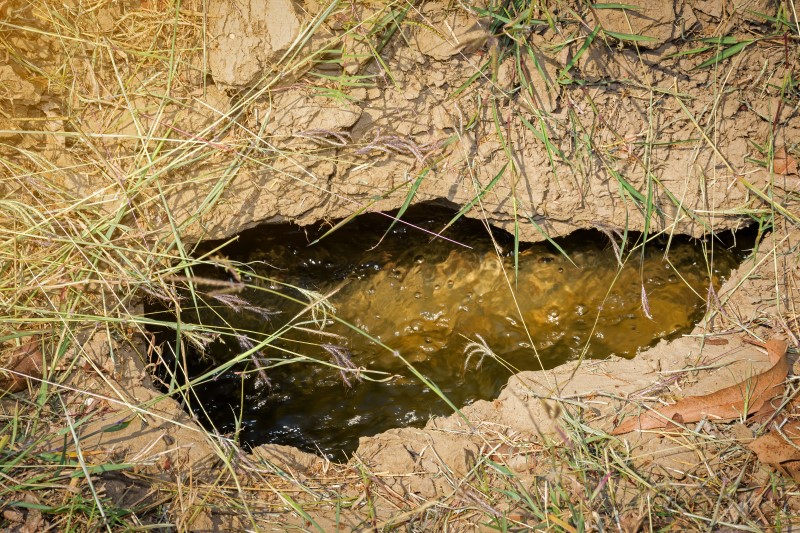
The spill originated from a pipeline operated by Enterprise Products Partners and was first discovered in December 2024 after cattle walking across a field exposed the leak site. Initial estimates placed the spill at roughly 23,000 gallons, but the figure was later revised to about 97,000 gallons. Tribal officials now believe the total release may have exceeded 200,000 gallons.
The leak occurred less than a half mile from the Animas River and has impacted groundwater beneath Southern Ute tribal lands. Tribal leaders said gasoline contamination spread into drinking water aquifers and private wells serving nearby residents. According to the Telluride News, tribal officials said some homeowners lost access to well water because of the contamination plume.
The Southern Ute Indian Tribe has criticized both Enterprise and state regulators for what it described as delayed remediation efforts and inaccurate spill reporting. Tribal leaders said the underground plume migrated through groundwater for months before large-scale cleanup efforts began. The tribe also raised concerns about the age and condition of the 40-year-old pipeline, which it says relies on outdated technology.
Enterprise said it has deployed more than 100 workers to the site and continues coordinating with federal, state and tribal agencies on remediation efforts. The company reported recovering more than 60,000 gallons of gasoline from below ground while conducting extensive groundwater, soil and surface water testing. Enterprise also said monitoring data indicates the contamination plume is shrinking and that nearby rivers are not currently at risk, as reported by the Telluride News.
The company has agreed to replace sections of the pipeline located on tribal land, with construction expected to begin in 2027. However, local officials continue to push for broader infrastructure reviews because the pipeline also crosses several waterways in southwestern Colorado, including the Piedra, Dolores and Animas rivers.
Related News
From Archive

- Oil pipeline struck during fiber optic construction spills into L.A. storm drains
- Utility strike at center of Dallas explosion investigation
- Gas line strike destroys three homes in Ohio neighborhood
- $1 billion Ohio River Tunnel project awarded in Pittsburgh
- Las Vegas advances multibillion-dollar water pipeline expansion
Comments