


United Rentals CEO, Matt Flannery is recognized on the “2022 CEOs Who ‘Get It’” list
The National Safety Council (NSC), America’s leading nonprofit safety advocate, announced that United Rentals, Inc. CEO Matt Flannery was selected to the 2022 CEOs Who “Get It” list. The annual NSC recognition is “presented to safety leaders who go the extra mile to protect employees both on and off the job.”
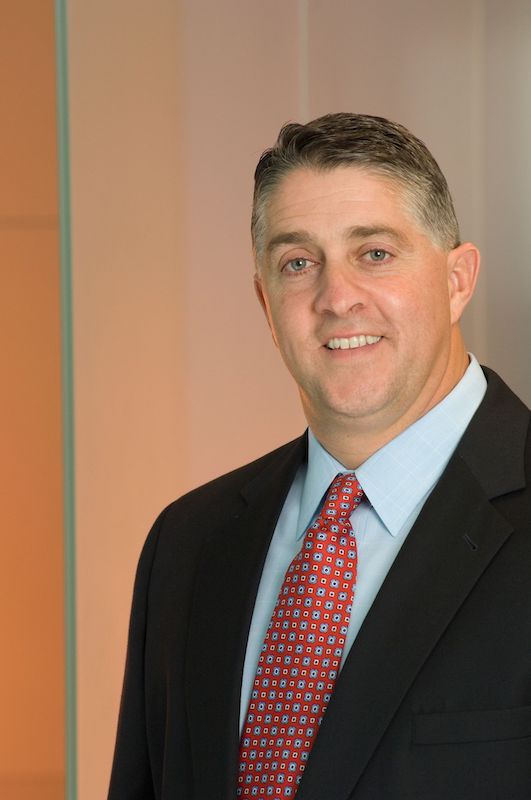
The 2022 CEOs Who “Get It” have built their organizations' safety strategy using four key components: risk reduction, performance measurement, safety management solutions, and leadership and employee engagement, according to NSC. This year’s recognition features an elite group of nine CEOs.
In its recognition of Mr. Flannery in Safety+Health magazine, NSC noted “his goal is not just for employees to go home as they arrived, but for employees to go home even better than they arrive each day – safe, inspired, and motivated.”
“Safety is a way of life at United Rentals and a core piece of our purpose. It is our first thought in everything we do at work, on the road and at home. This National Safety Council recognition is a tribute to all United Rentals employees who work united for the safety of our teams, communities and customers,” said Mr. Flannery.
Related News
From Archive

- EIA: Texas to lead U.S. pipeline construction activity through 2027
- Oil pipeline struck during fiber optic construction spills into L.A. storm drains
- Utility strike at center of Dallas explosion investigation
- Gas line strike destroys three homes in Ohio neighborhood
- $1 billion Ohio River Tunnel project awarded in Pittsburgh
Comments