


Volvo expands electric machines to Swiss market
Small but mighty electric compact machines from Volvo Construction Equipment are being put through their paces for the first time by Swiss customers, in one of the most sustainable cities on earth – and the results are proving “quietly” satisfying.
Emission-free and silent, electric machines have the potential to revolutionize construction and are ideal for cities, such as Zurich, where low-emission and low-noise are becoming a prerequisite for build work. Recently ranked at 85 percent by the Global Destination Sustainability Index, Zurich has an impressive record when it comes to sustainability, with 82 percent of its electricity coming from renewable energies and 43 percent of its waste recycled. A shift towards electric machines seems the most logical, next step.
Volvo’s L25 Electric compact wheel loader is, in fact, demonstrating its value at Eberhard, a Swiss company offering civil engineering, deconstruction, recycling and remediation of contaminated sites.
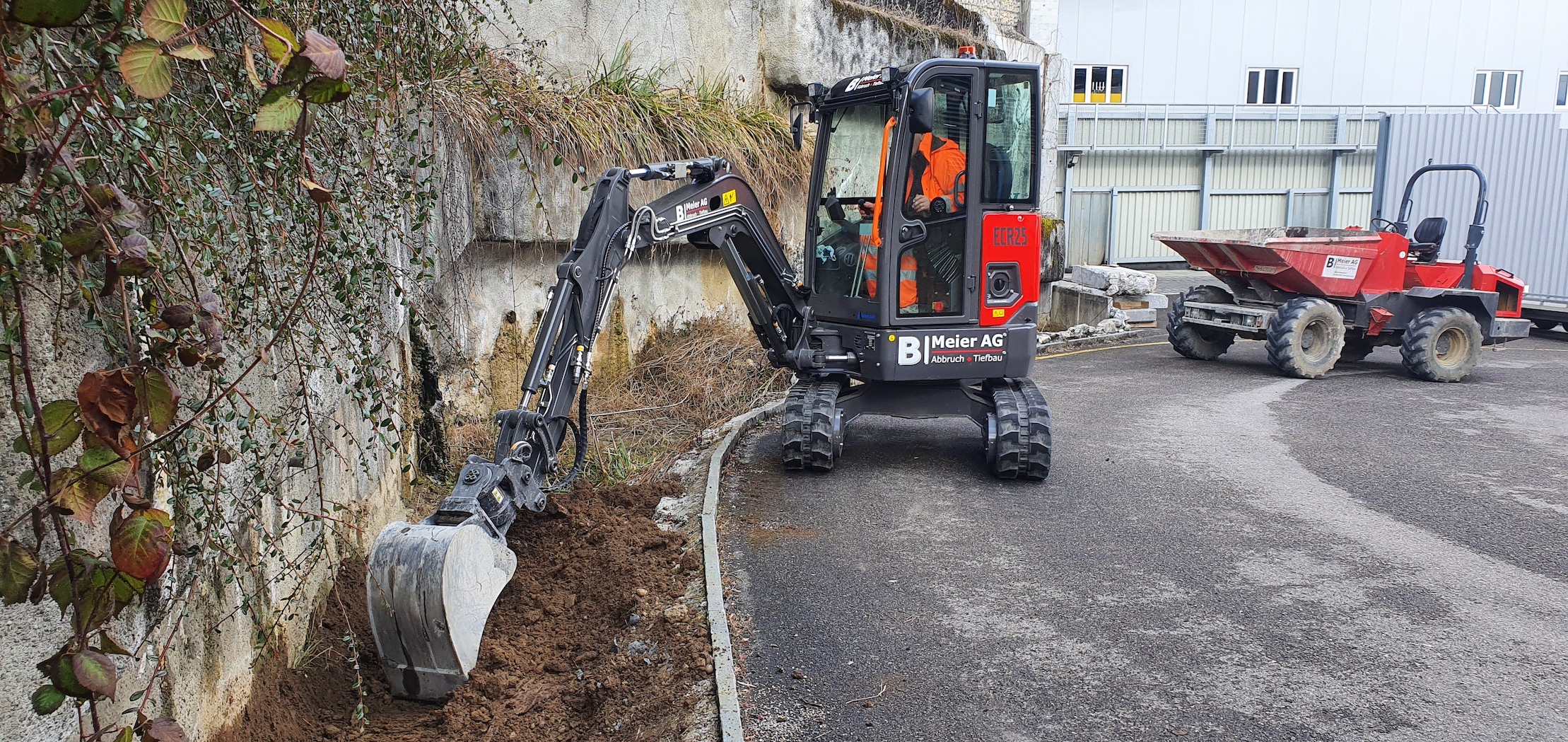
A second Volvo CE electric machine, the ECR25, is B. MEIER ABBRUCH + TIEFBAU AG’s “first foray into the world of electric machines.” The demolition and civil engineering firm uses it to prepare sites for construction.
Related News
From Archive

- Oil pipeline struck during fiber optic construction spills into L.A. storm drains
- Utility strike at center of Dallas explosion investigation
- Gas line strike destroys three homes in Ohio neighborhood
- $1 billion Ohio River Tunnel project awarded in Pittsburgh
- Las Vegas advances multibillion-dollar water pipeline expansion
- When and why manhole rehabilitation is critical to sewer system performance
- Inside Infrastructure: Utility locators warn of systemic failures in damage prevention process
- Senate passes PIPELINE Safety Act aimed at strengthening buried utility protection
- $104 million Lynchburg, Va., tunnel nears breakthrough beneath Blackwater Creek
Comments