


Dallas Mill Creek Tunnel project faces multi-year delays
(UI) - One of Dallas’ largest underground construction projects—the Mill Creek Drainage Tunnel—is now expected to be completed four to five years later than originally planned, city officials said this week.
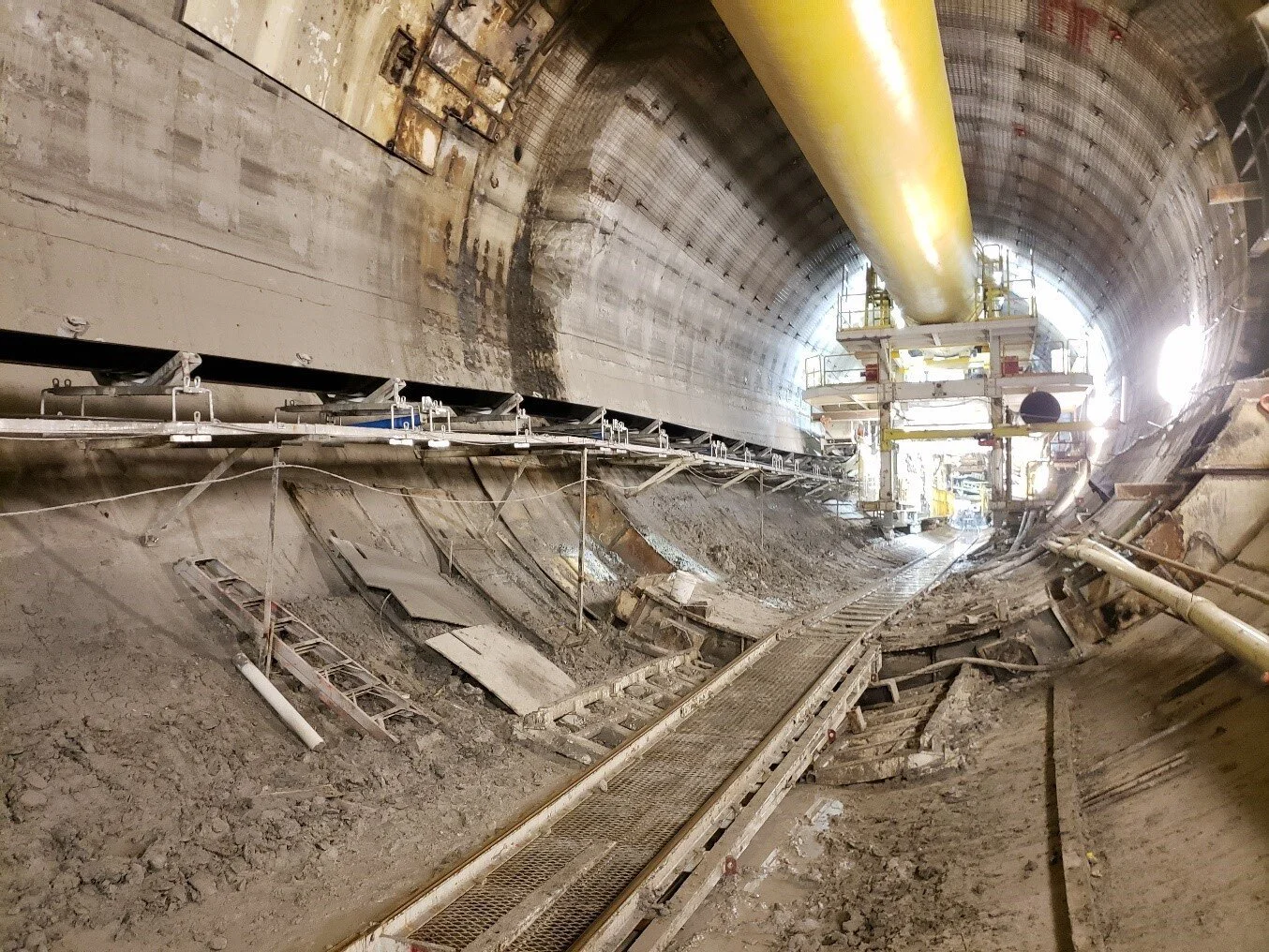
The 5-mile-long tunnel, designed to manage stormwater and reduce flooding for roughly one-third of the city, runs from near downtown Dallas to south of Fair Park before discharging into the Trinity River. The tunnel, which measures more than 30 feet in diameter and sits about 100 feet below ground, is intended to protect hundreds of homes and businesses in flood-prone areas.
Originally scheduled for completion in 2024, the project is now expected to reach substantial completion in 2028, with full completion anticipated in early 2029, according to a memo from Assistant City Manager Dev Rastogi to the Dallas City Council. According to WFAA, construction began in 2018, but major excavation did not start until 2020 and was not completed until mid-2022.
City officials cited multiple factors contributing to the delays, including disruptions involving the tunnel boring machine manufacturer, COVID-19–related supply chain issues, and permitting changes. Productivity also fell well short of initial projections, WFAA reported. Excavation advanced at an average rate of about 45 feet per day, compared with the estimated 80 feet per day. Concrete lining work has also lagged, initially averaging about 70 feet per week versus an expected 400 feet per week.
Dallas Water Utilities reported that lining productivity has improved in recent months to roughly 146 feet per week and could reach 250 feet per week as material availability and contractor cash flow issues are addressed. The tunnel lining phase is currently about 36% complete.
Despite the schedule setbacks, city officials said the project remains within its existing budget, previously reported at approximately $300 million. Dallas Water Utilities said it is working with the contractor to accelerate progress while maintaining safety and construction quality, with the goal of delivering long-term flood protection once the tunnel is operational.
Related News
From Archive

- EIA: Texas to lead U.S. pipeline construction activity through 2027
- Oil pipeline struck during fiber optic construction spills into L.A. storm drains
- Utility strike at center of Dallas explosion investigation
- Gas line strike destroys three homes in Ohio neighborhood
- $1 billion Ohio River Tunnel project awarded in Pittsburgh
Comments