


NYC plans $68 million Prospect Park Bluebelt to curb flash flooding
(UI) — New York City plans to invest $68 million in stormwater infrastructure upgrades centered in Prospect Park, aiming to reduce flash flooding in surrounding Brooklyn neighborhoods through construction of the borough’s first Bluebelt system.
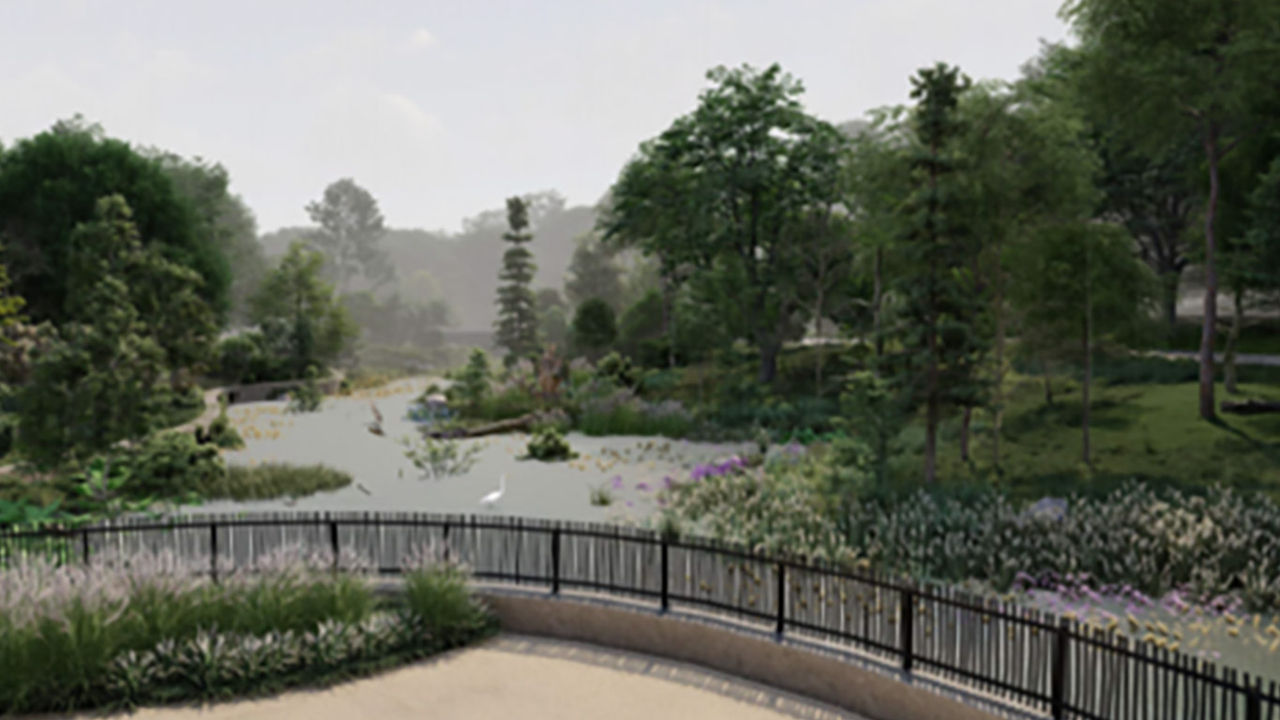
The project, announced by Mayor Eric Adams and city agencies, will use nature-based infrastructure — including restored wetlands, ponds and drainage improvements — to manage heavy rainfall and reduce pressure on the sewer system. Funding includes up to $50 million from the New York City Department of Environmental Protection and complements a $20 million lakeshore restoration effort led by the Prospect Park Alliance.
“Today’s announcement marks a major step forward in protecting Brooklyn from the growing threat of climate-driven flash flooding,” said Mayor Adams. “By investing up to $68 million to create Brooklyn’s first-ever Bluebelt at the iconic Prospect Park, we’re harnessing the power of nature-based solutions to strengthen the park’s lake and wetlands, and better manage intense rainfall. Working hand-in-hand with the Prospect Park Alliance, this project will safeguard Prospect Park, the Prospect Park Zoo, and the surrounding communities for generations to come. We are proud to make this investment in resilience, sustainability, and the future of Brooklyn.”
Stormwater challenges drive design
The investment follows a year-long DEP study of stormwater movement through Prospect Park and adjacent neighborhoods during intense rain events. The analysis found that heavy rainfall often flows overland instead of draining into the park’s 60-acre lake, contributing to flash flooding in nearby streets and homes. Limited lake capacity during major storms has also led to overflows that strain the sewer system.
“By using Prospect Park to manage stormwater, we’re turning one of Brooklyn’s most cherished public spaces into a powerful tool for climate resilience,” said DEP Commissioner Rohit T. Aggarwala. “This project brings Brooklyn its first Bluebelt and demonstrates how restoring and enhancing the park’s natural drainage not only preserves its scenic waterways but also protects the surrounding neighborhood. Thanks to the partnership with NYC Parks and the Prospect Park Alliance, we are able to implement creative solutions that will benefit both the park and the community.”
Planned improvements include upgrades to lake drainage infrastructure that would allow water levels to be lowered in less than 36 hours, compared with up to three weeks today. The plan also calls for new ponds and rain gardens designed to slow and filter runoff from West Drive and Flatbush Avenue before directing it into the lake system.
A restored pond north of the Prospect Park Zoo — located where a historic pond once existed — is expected to help prevent flooding like the September 2023 storm that forced the zoo to close.
Construction timeline and coordination
DEP pioneered the Bluebelt system on Staten Island, where similar projects have reduced flooding while preserving natural drainage corridors. City officials say the Prospect Park project will follow that model, integrating stormwater management into park landscapes while providing ecological and recreational benefits.
DEP has begun the design phase, with construction expected to start in 2029 and wrap up in 2032.
“Our public parks are more than just beautiful places to take in the scenery — they are also natural infrastructure making our city more resilient. With this investment, we’re helping protect Prospect Park and the surrounding neighborhoods from flooding, which is critical as climate change leads to more extreme weather events,” said NYC Parks Commissioner Iris Rodriguez-Rosa. “We look forward to working with our partners to bring an inventive Bluebelt system to Prospect Park, complementing the ongoing Lakeshore improvement project, and making ‘Brooklyn’s Backyard’ an integral part of New York City’s sustainable future.”
Lakeshore restoration ties in
The Bluebelt project complements the ongoing Lakeshore restoration of Brooklyn’s only lake, a $20 million effort funded primarily by the city. That work includes shoreline reconstruction, green infrastructure for stormwater management, improved ADA access, and habitat restoration, following the park’s historic design.
“Prospect Park plays an essential role in the health and well-being of our community, and through this Bluebelt initiative, it will play an even more important role in protecting our community from severe storms and flooding,” said Morgan Monaco, president of the Prospect Park Alliance. “This project demonstrates the importance of our city parks and green spaces as a first line of defense against climate change and supports the work we are accomplishing through our Lakeshore restoration, which will greatly enhance Brooklyn's only lake for the benefit of all our visitors.”
State and city lawmakers said the project addresses long-standing flooding issues affecting multiple neighborhoods bordering the park.
“With climate-change fueled superstorms becoming a regular occurrence we must invest in greater resilience now,” said New York State Assemblymember Robert Carroll. “I applaud DEP’s multi-pronged effort to mitigate flooding from the park. I know that many of my constituents will benefit tremendously.”
Related News
From Archive

- Oil pipeline struck during fiber optic construction spills into L.A. storm drains
- Utility strike at center of Dallas explosion investigation
- Gas line strike destroys three homes in Ohio neighborhood
- $1 billion Ohio River Tunnel project awarded in Pittsburgh
- Las Vegas advances multibillion-dollar water pipeline expansion
Comments