


Underground electrical mapping study highlights growing U.S. power grid risks
A nationwide effort to map underground electrical conductivity is giving researchers new insight into how solar storms could threaten power infrastructure across the United States, according to Phys.org report.
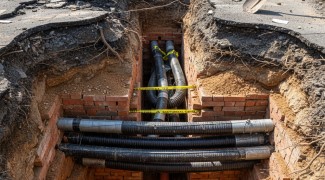
After nearly two decades of field measurements at more than 1,800 locations, researchers completed a three-dimensional model showing how electricity moves through underground rock formations, fluids and geological structures. Scientists say the information could help utilities and government agencies better identify areas where geomagnetic storms may create dangerous electrical surges capable of damaging transmission infrastructure.
As reported by Phys.org report, the project is already contributing to real-time monitoring systems operated by the National Oceanic and Atmospheric Administration and the United States Geological Survey. Researchers say the data provides a more detailed understanding of how underground conditions influence electrical currents generated during solar storms, which can overload transformers and disrupt power systems.
The underground mapping effort also revealed major differences in electrical conductivity between regions, helping researchers better understand both grid vulnerability and the deep geological structure beneath North America. Scientists believe the data could eventually support future infrastructure planning, resource exploration and power grid resilience efforts.
Related News
From Archive

- Oil pipeline struck during fiber optic construction spills into L.A. storm drains
- Utility strike at center of Dallas explosion investigation
- Gas line strike destroys three homes in Ohio neighborhood
- $1 billion Ohio River Tunnel project awarded in Pittsburgh
- Las Vegas advances multibillion-dollar water pipeline expansion
- Final Lake Erie sewer tunnel project set to begin after decades-long $3 billion effort
- Inside Infrastructure: Utility locators warn of systemic failures in damage prevention process
- Senate passes PIPELINE Safety Act aimed at strengthening buried utility protection
- $104 million Lynchburg, Va., tunnel nears breakthrough beneath Blackwater Creek
Comments