


Federal regulators give more time to complete gas pipeline extension in Virginia, North Carolina
RALEIGH, N.C. (AP) — The builders of a proposed natural gas pipeline that will enter North Carolina from Virginia now have another 2 1/2 years to complete the project after federal regulators pushed back a deadline for the work.
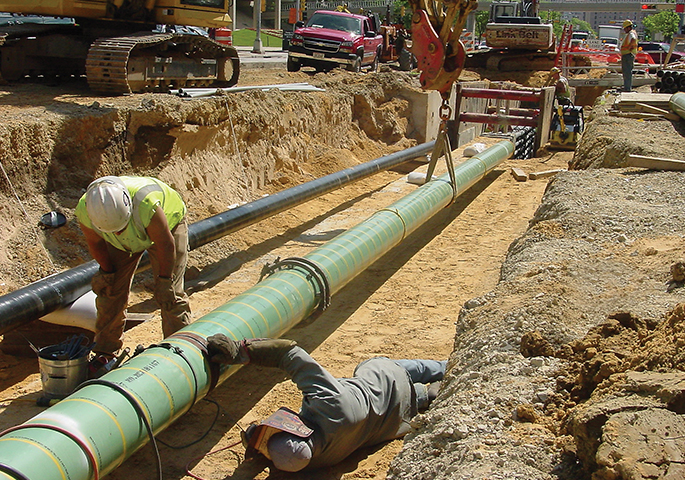
The Federal Energy Regulatory Commission approved on Tuesday a request by owners of the proposed 75-mile (121-kilometer) Southgate extension of the Mountain Valley Pipeline to allow for more time for construction, news outlets reported.
According to the previous FERC certificate, the project was supposed to be built and in service six months ago. But permitting problems in North Carolina and Virginia amid legal challenges to the larger Mountain Valley Pipeline meant the owners missed the deadline.
Now, with the FERC’s order, the owners have until June 2026 to complete the MVP Southgate project and bring it into service. More permits still must be secured for construction to occur.
The owners of the project, which includes a consortium of natural gas and energy companies, are pleased with FERC’s decision, project spokesman Shawn Day said.
“At the appropriate time, Mountain Valley intends to pursue all necessary permits and authorizations to complete construction of the MVP Southgate project,” Day wrote in an email.
The Southgate extension will continue pushing gas south from the planned 303-mile (488-kilometer) Mountain Valley Pipeline that will go through West Virginia and Virginia. The extension would run from the main pipeline in Pittsylvania County, Virginia, into Rockingham and Alamance counties in North Carolina.
The future of the pipeline — and thus the extension — appeared uncertain with opposition from environmental groups and some elected officials. But Congress last year essentially ordered the pipeline’s construction as part of the bipartisan bill to increase the debt ceiling. This past summer, federal courts also dismissed a challenge to construction permits for the Mountain Valley Pipeline and allowed construction to resume.
MVP Southgate would be the second pipeline carrying natural gas to enter North Carolina. Project supporters have said additional gas capacity is needed for reliable and affordable energy. Duke Energy also appears to need a supply to shift its coal-fired power plants to natural gas.
Democratic Gov. Roy Cooper and other elected Democratic officials — including U.S. Reps. Kathy Manning and Valerie Foushee of North Carolina and Reps. Jennifer McClellan and Bobby Scott of Virginia — opposed giving more time for the project. The members of Congress sent a letter Monday to FERC expressing concerns about the extension’s impact on the safety of residents and the environment as efforts to move away from fossil fuels continue.
Still, MVP Southgate needs permits from federal and state agencies, such as the U.S. Army Corps of Engineers and the North Carolina Department of Environmental Quality.
Also Tuesday, FERC agreed to a request from the Mountain Valley Pipeline owners to charge higher rates for the gas being shipped through the buried pipeline. The transportation rate is paid by companies that deliver the gas to end users.
The estimated cost of the pipeline is now $7.2 billion, compared to the first projection of $3.7 billion.
Related News
From Archive

- EIA: Texas to lead U.S. pipeline construction activity through 2027
- Oil pipeline struck during fiber optic construction spills into L.A. storm drains
- Utility strike at center of Dallas explosion investigation
- Gas line strike destroys three homes in Ohio neighborhood
- $1 billion Ohio River Tunnel project awarded in Pittsburgh
Comments