


Advocates urge expanded public hearings about Baltimore’s water and sewer system
(UI) — The Baltimore Regional Water Governance Task Force announced that it would hold four in-person meetings throughout this fall before recommending a new governance model for the city’s water and wastewater system.
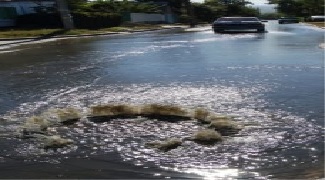
Advocates are calling into question the locations of the Task Force meetings and the lack of a virtual participation option at every meeting. None of the meetings will be located in central locations within the city, and none are in the majority Black neighborhoods in West or East Baltimore – despite the disparate impacts of unaffordable water bills and the E.coli contamination of last year in West Baltimore.
“The work of the Task Force has the potential to deeply impact Baltimoreans, especially low-wealth and Black, brown, and immigrant communities,” said Rianna Eckel, Baltimore Water Outreach Coordinator with Maryland Volunteer Lawyers Service. “It is unacceptable for these meetings not to be held at any easily accessible, central locations in the city, or in the communities likely to be most deeply impacted.”
The Task Force will have two virtual meetings, one in mid-November and another in January. The final report is due to the legislature on January 30, 2024.
Throughout the process, a coalition of local organizations have urged the task force to conduct racial and economic equity assessments, preserve local ratepayer and labor protections, hold public hearings and a robust comment period, and exclude privatization options that would undermine local control.
“This conversation regarding the future of Baltimore’s water and wastewater utilities is something everyone in the city should have a say on,” said City Union of Baltimore President Antoinette Ryan-Johnson. “It is the most valuable asset our city owns, and it touches the lives of every living thing in Baltimore. Changes that this taskforce will consider to this most vital resource cannot be done in haste and must take every feasible measure to include community voices, especially those who may not be able to attend these meetings in person due to accessibility issues.”
Related News
From Archive

- Oil pipeline struck during fiber optic construction spills into L.A. storm drains
- Utility strike at center of Dallas explosion investigation
- Gas line strike destroys three homes in Ohio neighborhood
- $1 billion Ohio River Tunnel project awarded in Pittsburgh
- Las Vegas advances multibillion-dollar water pipeline expansion
- When and why manhole rehabilitation is critical to sewer system performance
- Inside Infrastructure: Utility locators warn of systemic failures in damage prevention process
- Senate passes PIPELINE Safety Act aimed at strengthening buried utility protection
- $104 million Lynchburg, Va., tunnel nears breakthrough beneath Blackwater Creek
Comments