


Wisconsin DNR preps 2024 grant program for small water systems to deal with PFAS contamination
MADISON, Wis. (AP) — The Wisconsin Department of Natural Resources is creating a new grant program to help small public water systems reduce PFAS and manganese contamination levels.
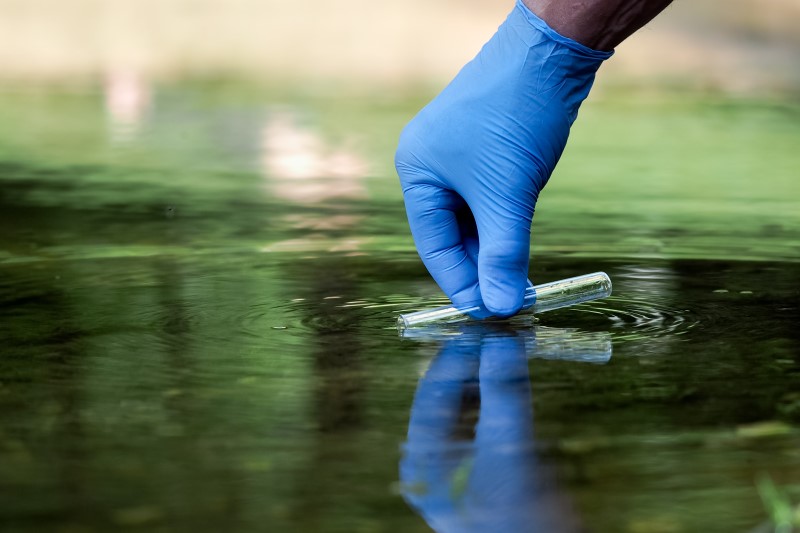
The DNR announced Monday that it will begin accepting applications for grants on Jan. 16 to help water systems that serve non-residential groups of at least 25 people for more than six months annually, such as schools and day care centers, and non-government water systems that serve at least 25 people year-round, such as mobile home parks and apartment buildings.
The grants will be funded through the 2021 bipartisan infrastructure law.
PFAS is an acronym for perfluoroalkyl and polyfluoroalkyl substances, a group of man-made chemicals that have been used for decades in a wide range of products, including firefighting foam and non-stick cookware. Studies have linked PFAS contamination to a host of ailments in humans, including liver and kidney disease and cancer.
Manganese is a naturally occurring metal that can cause significant health impacts if consumed in high concentrations, including lung, liver and kidney damage as well as a neurological condition known as manganism.
Related News
From Archive

- Oil pipeline struck during fiber optic construction spills into L.A. storm drains
- Utility strike at center of Dallas explosion investigation
- Gas line strike destroys three homes in Ohio neighborhood
- $1 billion Ohio River Tunnel project awarded in Pittsburgh
- Las Vegas advances multibillion-dollar water pipeline expansion
- When and why manhole rehabilitation is critical to sewer system performance
- Inside Infrastructure: Utility locators warn of systemic failures in damage prevention process
- Senate passes PIPELINE Safety Act aimed at strengthening buried utility protection
- $104 million Lynchburg, Va., tunnel nears breakthrough beneath Blackwater Creek
Comments