


Flint, Mich., and plaintiffs agree on new date to replace lead water lines
(UI) — After again missing the court-approved date for the replacement of lead water lines last autumn, the city of Flint, Michigan, and a group of plaintiffs who sued the city agreed to set a new timetable.
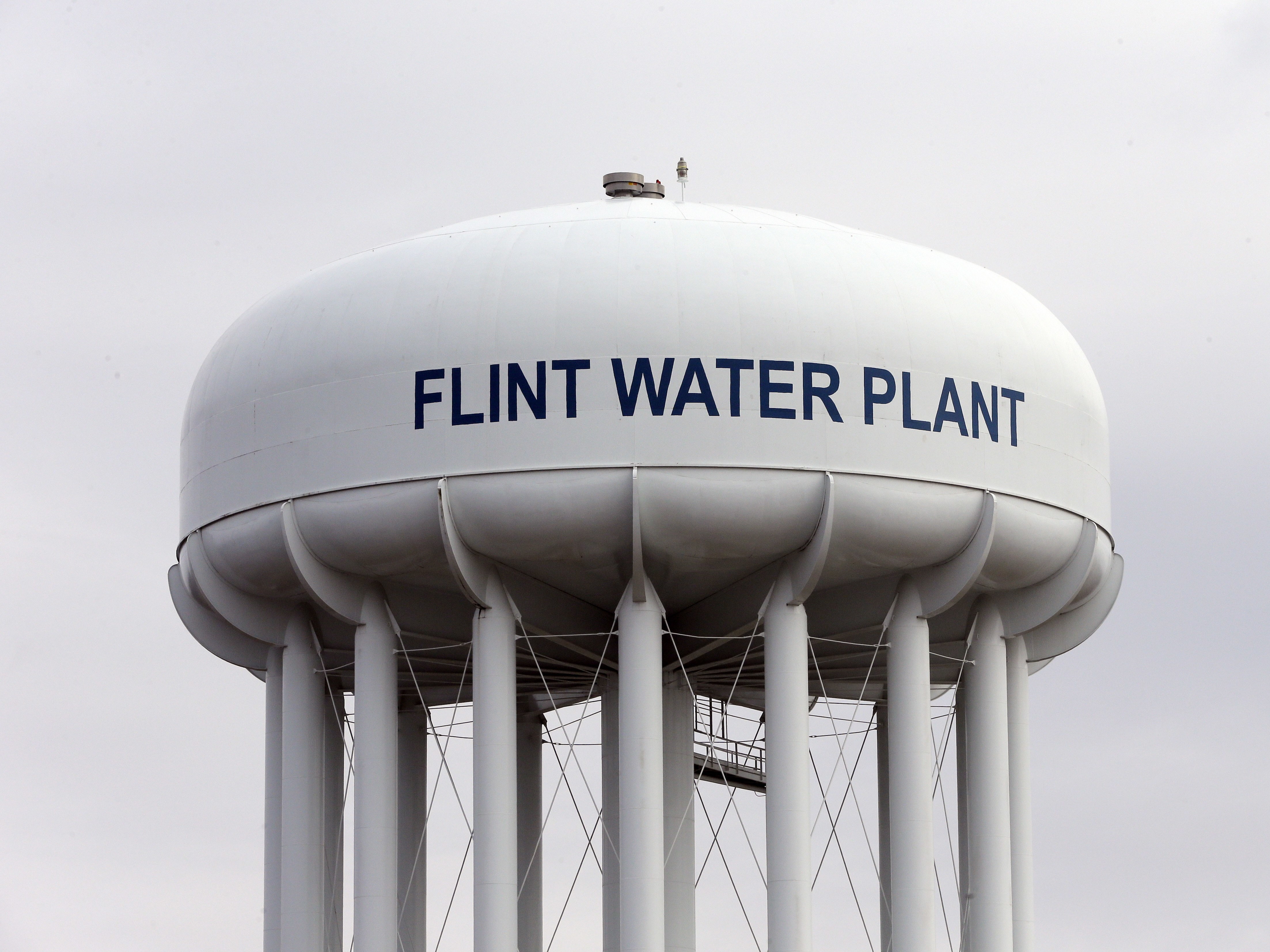
The city is required to finish excavations and replacements at every one of the 31,758 eligible residences by August 1st, under the agreement submitted to a federal court in Ann Arbor, ENR Midwest reported.
Homes that have previously undergone replacements and those that are finished by March 1 must have all restoration work done by June 30. Restoration must be completed within four months following excavations for houses where replacements were made after March 2.
The plaintiffs, which also include the organizations Concerned Pastors for Social Action, American Civil Liberties Union of Michigan, and Natural Resources Defense Council, as well as Melissa Mays, a Flint resident and operations manager for community advocacy group Flint Rising, are also entitled to weekly progress reports from the city.
Mays claims that the city has been unnecessarily delaying construction while Flint Rising has been working to educate homeowners about their right to new water service lines and property restoration. She claims that the city did not even start any work until after Labor Day, the deadline last year's Sept. 30.
“They’re trying to put an end to this without finishing the job,” Mays told ENR Midwest.
Inquiries regarding the city's replacement status received no response from a Flint spokesperson. After missing the last deadline, municipal authorities said last autumn that more than 27,000 excavations had been finished and that contracts with Rowe Professional Services Co. and Lakeshore Global Corp. had been established to do the remaining work. Additionally, Flint was given a one-year extension by the US EPA to spend $100 million in federal cash for the project.
Following the discovery of Flint's lead in water problem in 2014, the organizations filed a lawsuit. The replacement of the service lines was scheduled to take three years, however because to the COVID-19 epidemic in 2020, officials decided it was unsafe for workers to enter residents' houses. The plaintiffs filed their sixth motion to enforce the settlement agreement in November due to ongoing delays.
Residents also expressed dissatisfaction about the city's failure to maintain several properties after replacements were made, leaving dirt piles and cracked pavement. According to Mays, the number of properties remaining in need of restoration may be much more than the 8,000 that city officials estimated for last August.
“We don’t know how many homes actually still need to be done,” Mays told ENR Midwest. “We don’t know how many homes still need restoration, and [the city is] not even counting that in [its tallies of completed work].”
Related News
From Archive

- EIA: Texas to lead U.S. pipeline construction activity through 2027
- Oil pipeline struck during fiber optic construction spills into L.A. storm drains
- Utility strike at center of Dallas explosion investigation
- Gas line strike destroys three homes in Ohio neighborhood
- $1 billion Ohio River Tunnel project awarded in Pittsburgh
Comments